Equine learning
What Is Equine-Assisted Learning?
Equine-assisted learning is an educational approach that uses structured experiences with horses to explore communication, boundaries, awareness, cooperation and personal growth. It does not require horseback riding. In fact, many programs are designed entirely around safe activities on the ground.
What might a session involve?
A facilitator may invite participants to observe a horse’s behavior, notice nonverbal cues, assist with grooming when appropriate or complete a simple leading or teamwork activity. There can also be quiet reflection about what participants noticed and how an experience connects to everyday situations.
Activities should be adapted to the participant’s comfort and the horse’s temperament. There is no requirement to touch a horse or complete a particular task in order to participate meaningfully.
What can people explore through equine learning?
Horses respond to their surroundings, movement and handling, which creates opportunities to talk about attention, patience, personal space and the ways we communicate without words. Learning goals may include building confidence with a new task, noticing feelings or cooperating respectfully with others.
These are possibilities for practice, not guaranteed clinical outcomes. Results vary by person, program design and accessibility needs.
How is this different from equine-assisted psychotherapy?
Equine-assisted psychotherapy is a clinical mental health service delivered under the direction of appropriately licensed professionals. Equine-assisted learning is educational and experiential rather than psychotherapy. The distinction matters when families or referring professionals are evaluating programs.
Simple Changes NJ provides community equine learning and enrichment. Our programs are not psychotherapy, medical treatment or a substitute for licensed care. We do not offer riding lessons.
Who might enjoy ground-based sessions?
Children, teens, families, community groups and adults may find value in structured opportunities to observe, care for and learn from horses. A well-designed group takes mobility, sensory needs, communication preferences, allergies, safety and personal boundaries into account.
The best starting point is a conversation about what a person hopes to experience and whether the available program is appropriate. Participation should always be voluntary.
Why horse welfare comes first
A horse should have access to rest, appropriate turnout, professional care and a schedule that respects its needs. Facilitators must recognize signs that a horse is uncomfortable or needs a break. The program should not depend on a horse tolerating stressful interactions.
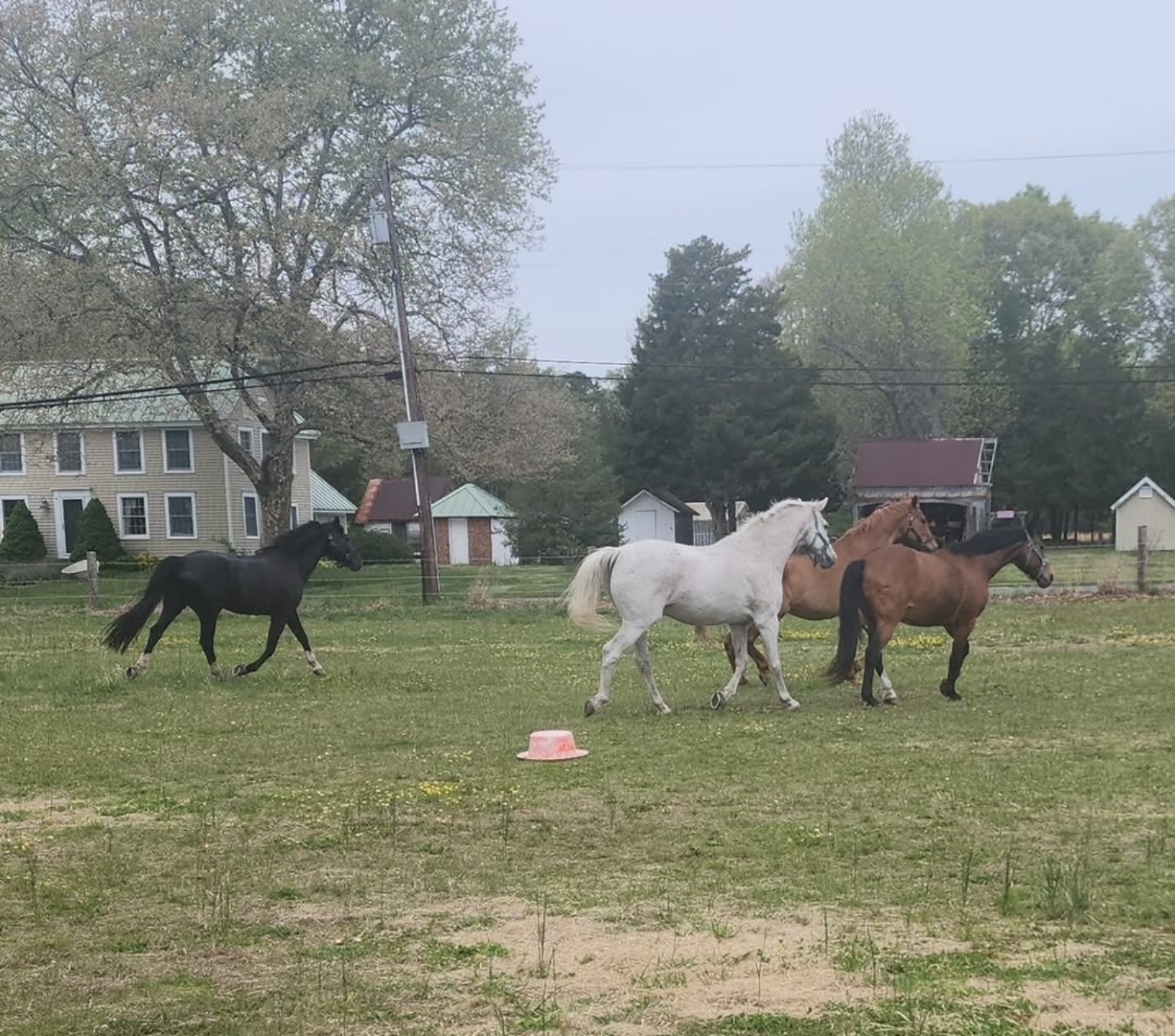
At Simple Changes NJ, retired and rescued horses are valued as individuals, not props for a lesson. Our activities focus on quiet, supervised, ground-based connection.
Learn about equine programs in Atlantic County
Simple Changes NJ is based in Atlantic County, New Jersey. Our community programs focus on connection, confidence and compassion through respectful experiences with horses. Sunday programs and participation are by arrangement, with limited availability; some offerings are still developing.
We welcome inquiries from families and community organizations interested in learning more.