Horse retirement
What Happens to Retired Show Horses?
For many owners, a show horse is more than a competition partner. The end of a show career can bring difficult questions about soundness, expenses and finding a home where that horse will be safe. Retirement is not one single destination. The right next chapter depends on the individual animal and its needs.
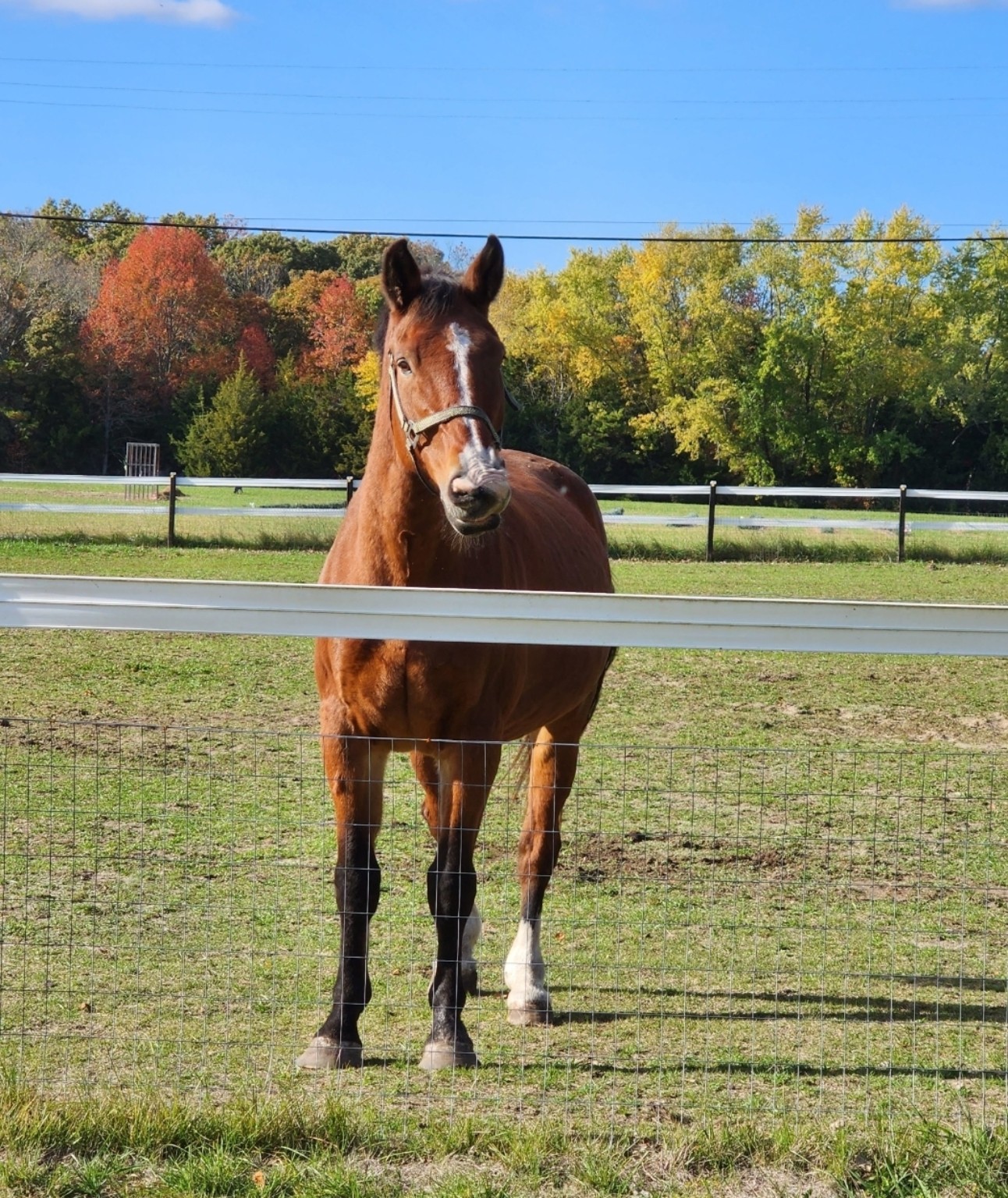
A horse can retire from competition and still have a meaningful life
Horses may stop showing because of age, workload, injury, changing family circumstances or simply because it is time for a quieter routine. Some remain comfortable doing light, veterinarian-approved activities; others are best suited to full retirement without work.
At Simple Changes NJ, horses involved in our programs are not ridden or jumped. Any participation is gentle, ground-based interaction guided by a horse’s comfort, health and temperament.
Common retirement paths for show horses
One option is to remain with the current owner as a retired pasture or companion horse. Another is placement with a carefully screened private retirement farm or long-term caregiver. Some horses can transition to a sanctuary or nonprofit whose mission and capacity fit the horse.
A change of owner should be approached thoughtfully. Ask where the horse will live, how it will be monitored, what veterinary support is available and what protections are in place if the new caregiver can no longer keep the horse.
What good retirement care looks like
Even without showing, horses still need appropriate forage, clean water, shelter, farrier care, dentistry, veterinary oversight, safe turnout and companionship suited to their behavior. Older athletes may need special attention to arthritis, hoof health, body condition or previous injuries.
Routine monitoring matters. A horse who looks comfortable one season may need a different feeding plan or level of support the next. Retirement requires an ongoing financial and practical commitment, not just a pleasant pasture.
The emotional side of retirement
Owners may feel relief that their horses no longer have to compete, as well as sadness about the end of a shared chapter. Those emotions can coexist. Taking time to plan while the horse is still healthy often leads to better options than waiting for an emergency.
If possible, visit the proposed setting, get references, document your expectations and talk openly about end-of-life decisions. Responsible retirement means being willing to ask hard questions.
Can retired show horses help people learn?
Some retired show horses have experience being groomed, led, handled around groups and introduced to changing environments. Those skills can make them suited to carefully managed ground-based education. Still, an impressive show record does not automatically mean a horse will enjoy a community program.
Temperament, comfort, stress signals and medical needs must guide involvement. A horse should be allowed quiet time, space and a role that never compromises welfare.
Considering Simple Changes NJ?
Our mission pairs thoughtful retirement care with opportunities for people to learn alongside horses. We primarily consider retiring or retired former show horses with documented competition histories, appropriate ground manners and needs we can responsibly meet.
Please contact us before planning transport or transfer. We have limited intake capacity and cannot promise placement.