
Youth & families
How Horses Help Children with Autism Build Confidence
Every autistic child is different. Some love being close to animals; others may need time, distance, predictability or a quieter environment to feel comfortable. When activities are thoughtfully adapted, horses can provide a setting for exploration and small moments of accomplishment without asking a child to fit one definition of success.
Confidence begins with choice
A child might choose to watch a horse from outside a fence, offer a brush with support, learn where the horse likes to be touched or decide to take a break. Respecting those choices can help create a sense of agency. There is no pressure to perform, speak, make eye contact or interact in a particular way.
The goal is not to change who a child is. It is to make a welcoming environment where each child can take part on their own terms.
Predictable routines can make participation easier
A clear schedule, familiar greeting, simple instructions and opportunities to preview activities can help some children know what to expect. Facilitators should be willing to adjust the pace, provide visual supports or offer a quiet break when needed.
Horses and barns can also be noisy, dusty, unpredictable or physically demanding. Sensory considerations and safety planning should be part of the conversation before a session begins.
Ground-based activities invite different kinds of learning
Observing a horse’s ears or body language can introduce conversations about attention and boundaries. Grooming can be a cooperative task for a child who enjoys tactile activities. Carrying supplies, helping prepare a safe space or watching herd interactions can be meaningful alternatives to direct contact.
Success might mean trying something new, asking a question, advocating for a break, sharing an observation or simply feeling comfortable enough to return. These individual milestones deserve to be respected.
Equine learning is not an autism treatment
Claims that horse activities treat or cure autism are not appropriate. Research on animal-assisted interventions includes small studies and mixed methods, and evidence should not be overstated. Ground-based equine learning may provide enjoyable educational experiences, but it is not a replacement for medical, developmental or therapeutic services a family chooses to use.
Families should ask what training facilitators have, what safety policies are followed and how accommodations are handled.
The horse’s comfort matters too
A participant’s needs and the horse’s needs both count. Horses can become overwhelmed by unexpected movements, noise or prolonged handling. A responsible program offers supervision, clear boundaries and breaks, and matches activities to a horse’s comfort.
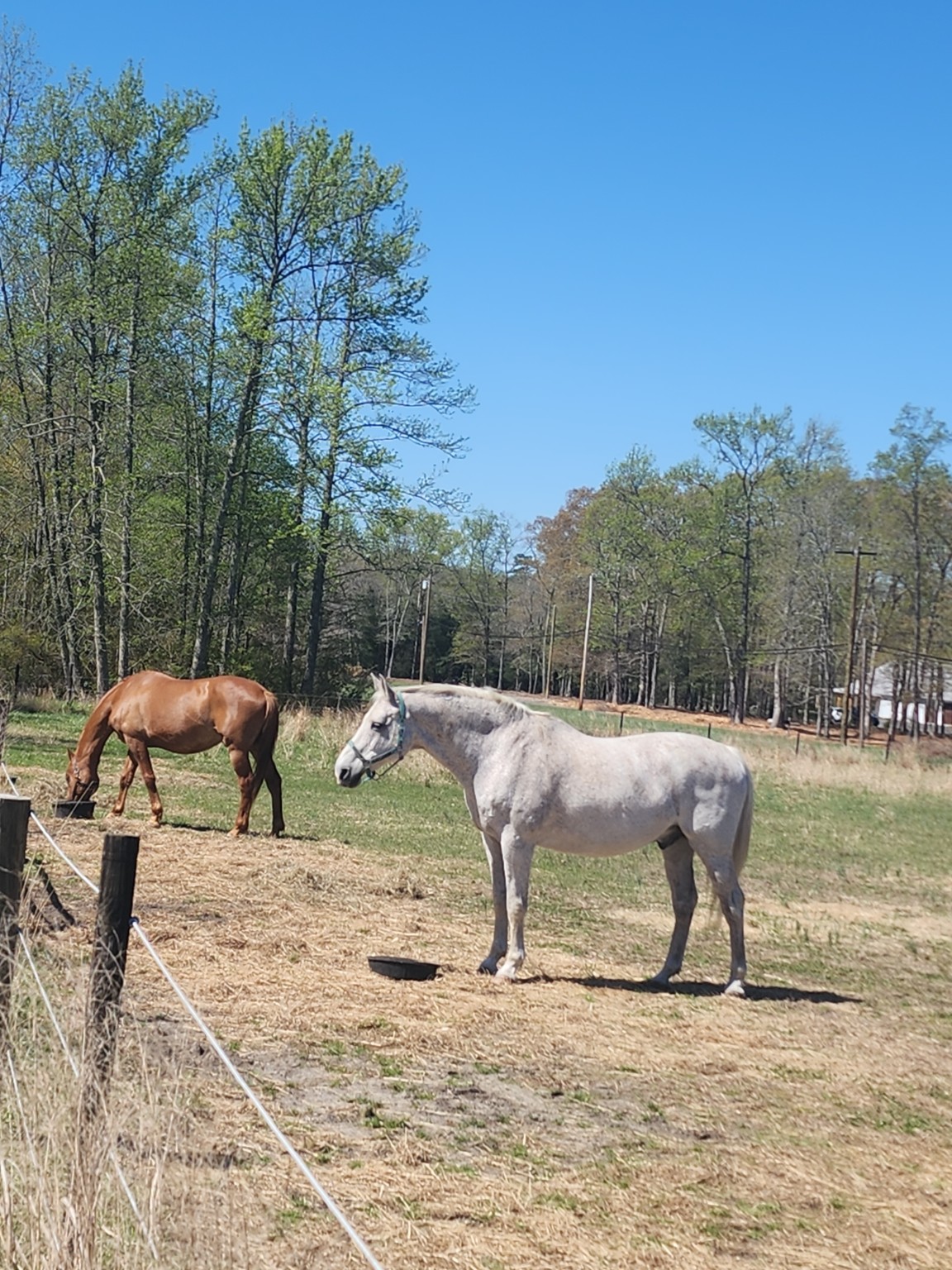
At Simple Changes NJ, our retired and rescued horses participate only in appropriate, gentle ground-based experiences. There is no riding or jumping.
Connect with Simple Changes NJ
Our Atlantic County nonprofit offers and develops community equine learning opportunities for youth and families. Current schedules, eligibility and available accommodations are discussed individually, and program places are limited.
If you are curious whether a session would be a good fit for your child, please reach out before planning a visit.